
The Fifth Gospel: How Israel’s Geography Transforms Your Bible Study
By Shai Shvalb, author of ‘A Bridge to Your Roots’
Many years ago, while guiding a group of Christian pilgrims through Galilee, a young pastor turned to me and shared a phrase that has remained with me ever since. He remarked that while believers can read the four Gospels—Matthew, Mark, Luke, and John—they can only experience the “Fifth Gospel,” which is the Land of Israel itself.
As an Israeli tour guide and author, I made this concept the driving foundation of my work and my book, ‘A Bridge to Your Roots: An Evangelical Journey Through the Land of Israel’. While reading Scripture provides eternal divine truth, stepping into the physical geography, archaeology, and historical terrain transforms traditional Bible study into a multi-layered, living reality. When you understand the topography, the Hebrew root meanings of place names, and the First-Century Jewish context in which Jesus lived, the pages of the Bible transition from distant history into a tangible, firsthand encounter.
Tangible Faith: From Mark Twain’s Footsteps to Modern Pilgrimages
In June 1867, author Samuel Clemens (Mark Twain) boarded the USS Quaker City and set sail for the Mediterranean and the Holy Land. His travelogue, The Innocents Abroad, captured both the awe and the stark realities of 19th-century Palestine under Ottoman rule. Standing amidst ancient ruins, Twain expressed a profound shift in perspective: he noted how standing on ground once pressed by the feet of the Savior brought a sense of reality and tangibility that replaced the vagueness usually attached to distant biblical stories.
Twain was also astonished by the surprisingly compact geography of Jesus’s public ministry, observing that the vast global reach of Christianity sprang from an area no larger than a standard American county.
Unlike ancient ruins surrounded by modern metropolises, the natural scenery around the Sea of Galilee has changed very little since the Second Temple period. The open hills, water resources, and fertile valleys remain broadly similar to the landscape beheld by Jesus and His disciples two thousand years ago, providing a preserved physical canvas for Scripture.
Confronting the “Gates of Hades” at Caesarea Philippi
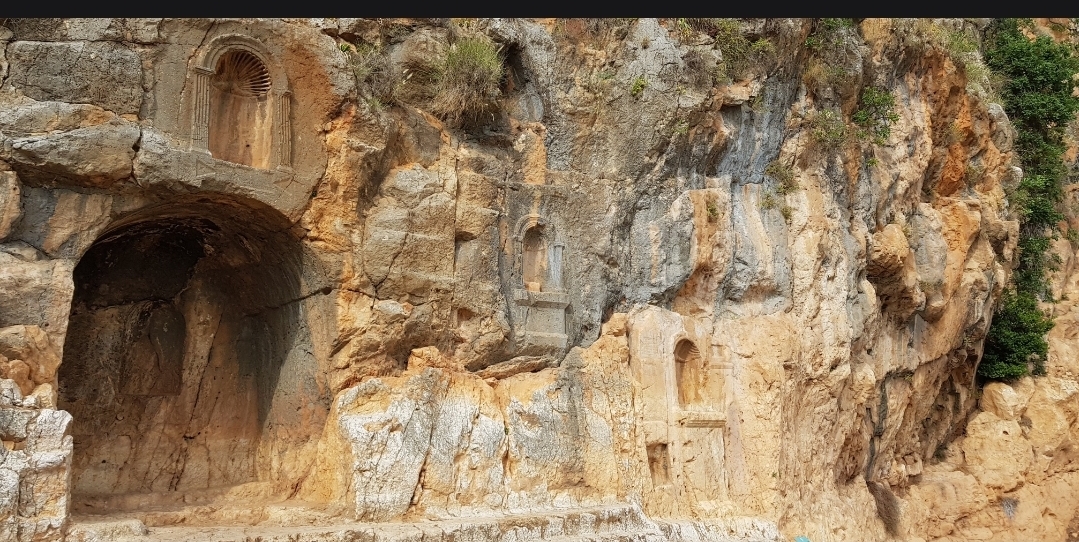
Geography in the Bible is rarely accidental; where a sermon was delivered or a miracle occurred often holds key theological significance. A prime example of this is Caesarea Philippi (Banias). Located at the foot of Mount Hermon—Israel’s highest peak at 7,300 feet—Banias is blessed with abundant snowmelt that feeds the Jordan River’s tributaries.
Because of its natural beauty and waters, pagan cultures had set up shrines there for centuries before Jesus’s time, including temples to Pan, Zeus, and Nemesis, as well as a massive white marble temple to Augustus Caesar. Observant First-Century Jews generally avoided the area due to its notorious pagan idol worship.
Yet, Jesus intentionally led His disciples thirty miles north from the Sea of Galilee to this very region for their “final exam” after three years of ministry. Standing before massive limestone cliffs carved with pagan niches, Jesus asked:
“Who do men say that I, the Son of Man, am?” (Matthew 16:13)
When Simon Peter answered, Jesus responded that flesh and blood had not revealed this to him, but the Father in heaven. Jesus declared:
“You are Peter, and on this rock I will build My church, and the gates of Hades shall not prevail against it.” (Matthew 16:18)
Standing on-site reveals the dramatic contrast: right in front of dead, carved stone idols and shrines representing the “Gates of Hades,” Jesus proclaimed the foundation of a living Church dedicated to the true, living God.
Kfar Nachum (Capernaum): The Village of Comfort
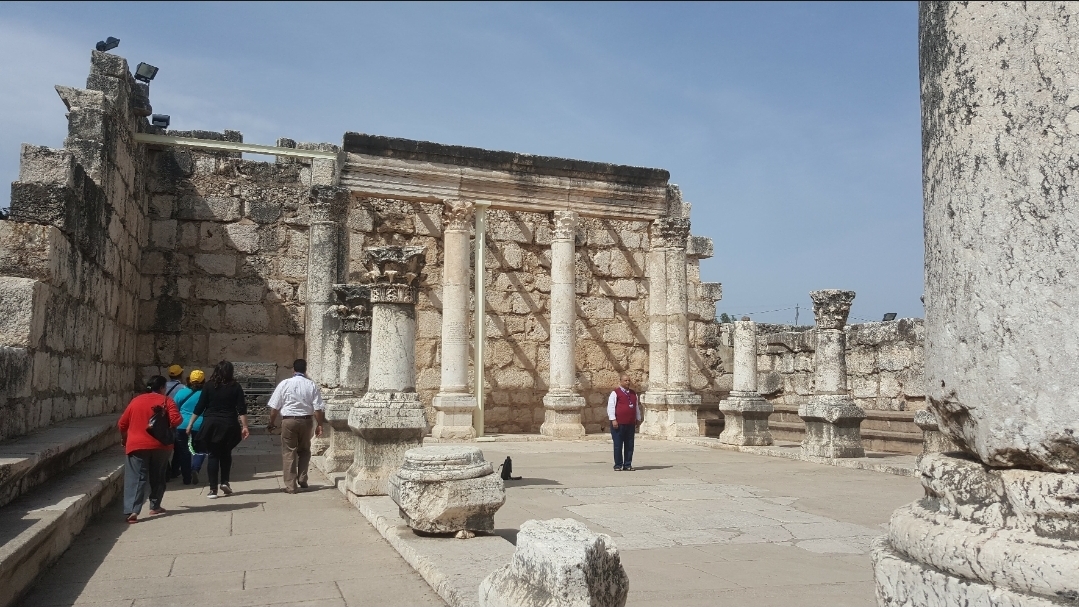
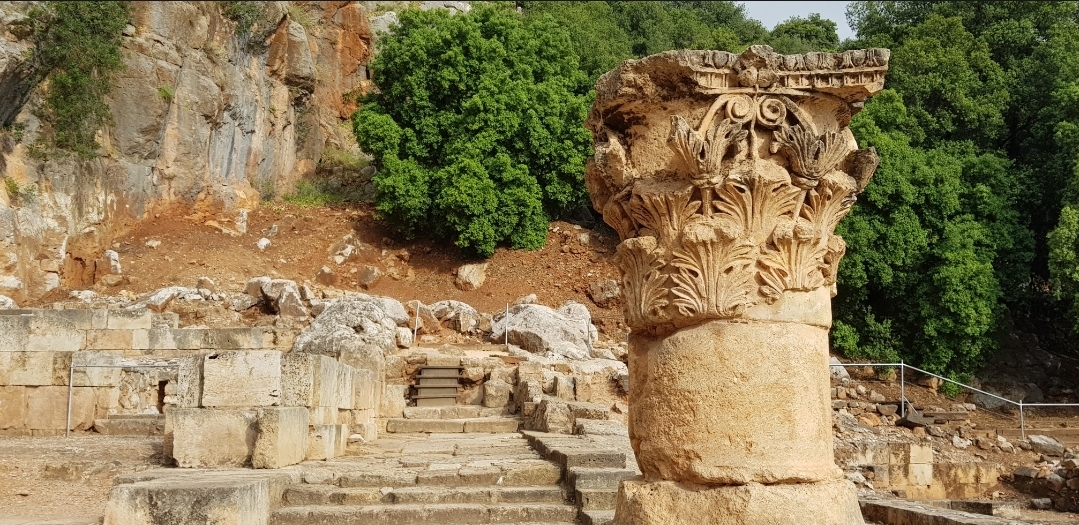
When Jesus left Nazareth to establish His primary ministry base in Galilee, He settled in Capernaum. In Hebrew, Capernaum is Kfar Nachum. Kfar means “village,” while Nachum comes from the three-letter Hebrew root Nun-Chet-Mem (נ-ח-ם), meaning comfort or encouragement.
This name was deeply prophetic: Capernaum literally became the “Village of Comfort,” where multitudes suffering from physical, mental, and spiritual burdens flocked to receive comfort and healing from Jesus.
Capernaum was not an isolated hamlet; it was situated directly alongside the Via Maris (“Way of the Sea”), the primary international trade highway connecting Egypt and Mesopotamia. By establishing His headquarters at this strategic transit node, Jesus ensured that the Gospel message would be carried back by travelers across the ancient world.
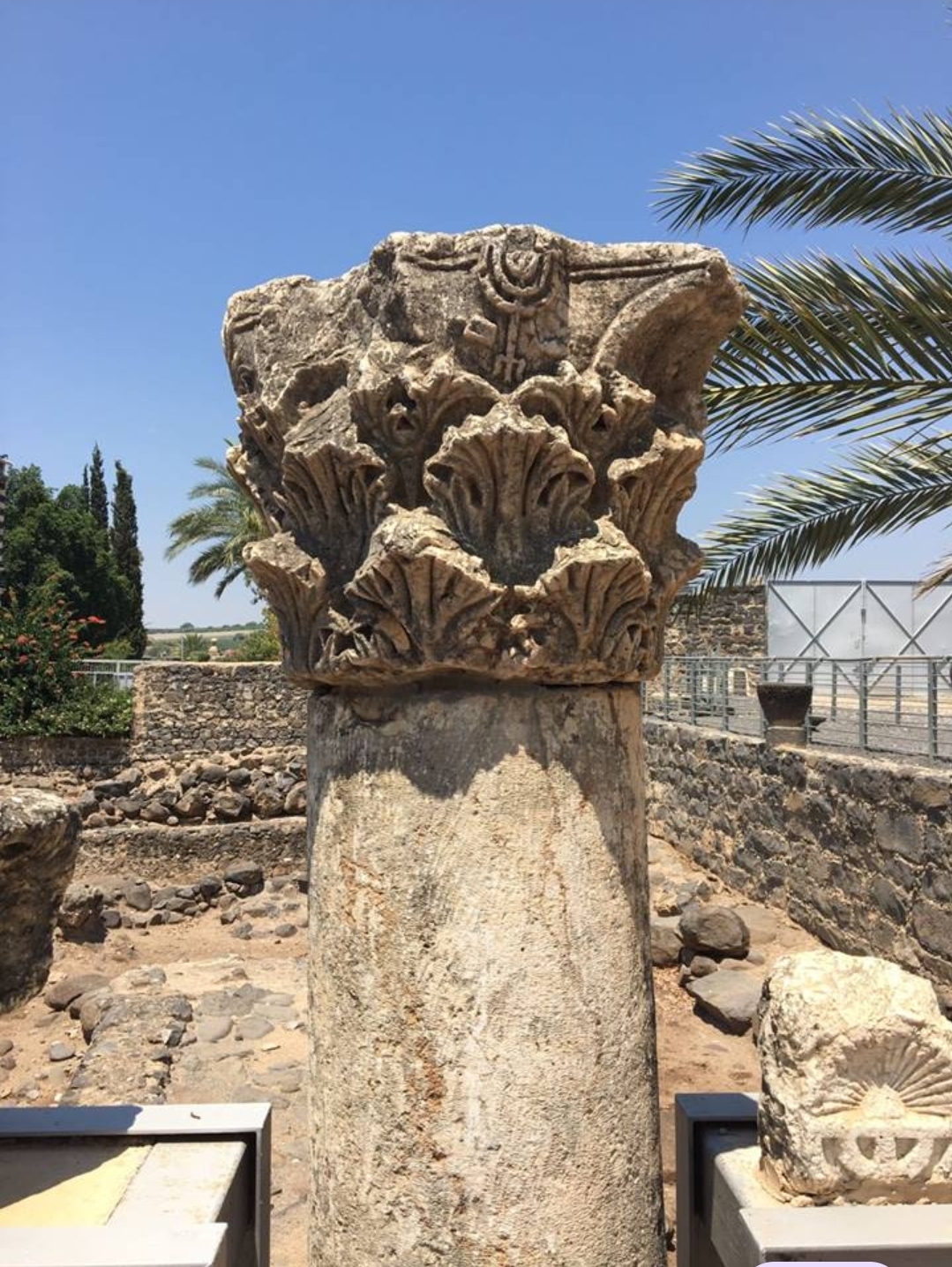
Archaeological excavations at Capernaum further illuminate the Gospel accounts. Beneath a 4th-century white limestone synagogue, archaeologists uncovered the original 1st-century black volcanic basalt synagogue where Jesus preached the “Bread of Life” discourse and healed the demon-possessed man. Just paces away sits the 1st-century octagonal structure built over what tradition identifies as Peter’s house, where Jesus healed Peter’s mother-in-law.
Magdala: Wealth, Purification, and Unbroken Testimony
On the northwest shore of the Sea of Galilee lies Magdala, known in Aramaic as Magdala (“Tower”) and in Greek as Migdal Nonia (“Fisherman’s Tower”). In the First Century, Magdala was a bustling, prosperous hub for fish curing and export, featuring the largest paved harbor on the Sea of Galilee.
It was from this wealthy city that Mary Magdalene (Miriam from Migdal) originated. Luke 8:1–3 notes that Mary Magdalene, Joanna, Susanna, and several other women provided for Jesus and the twelve apostles “out of their own substance”. Knowing that Magdala was a major financial and commercial center helps explain how these women had the independent resources needed to fund an itinerant three-year ministry across Galilee and Judea.
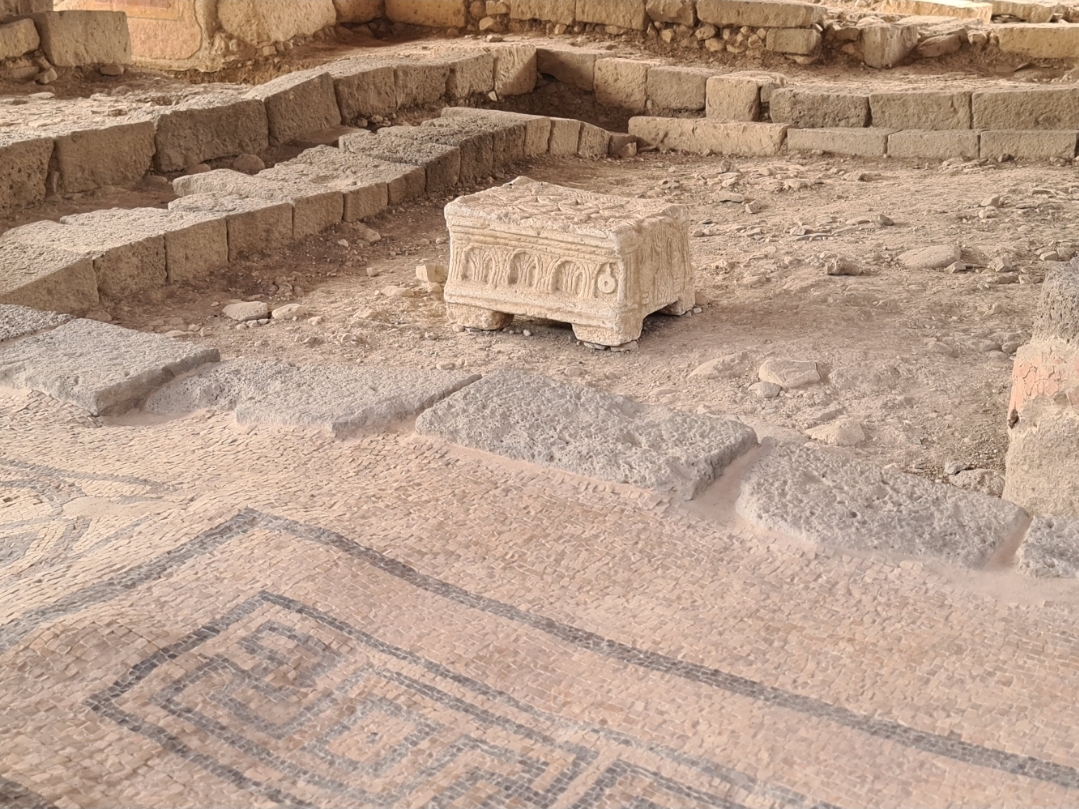
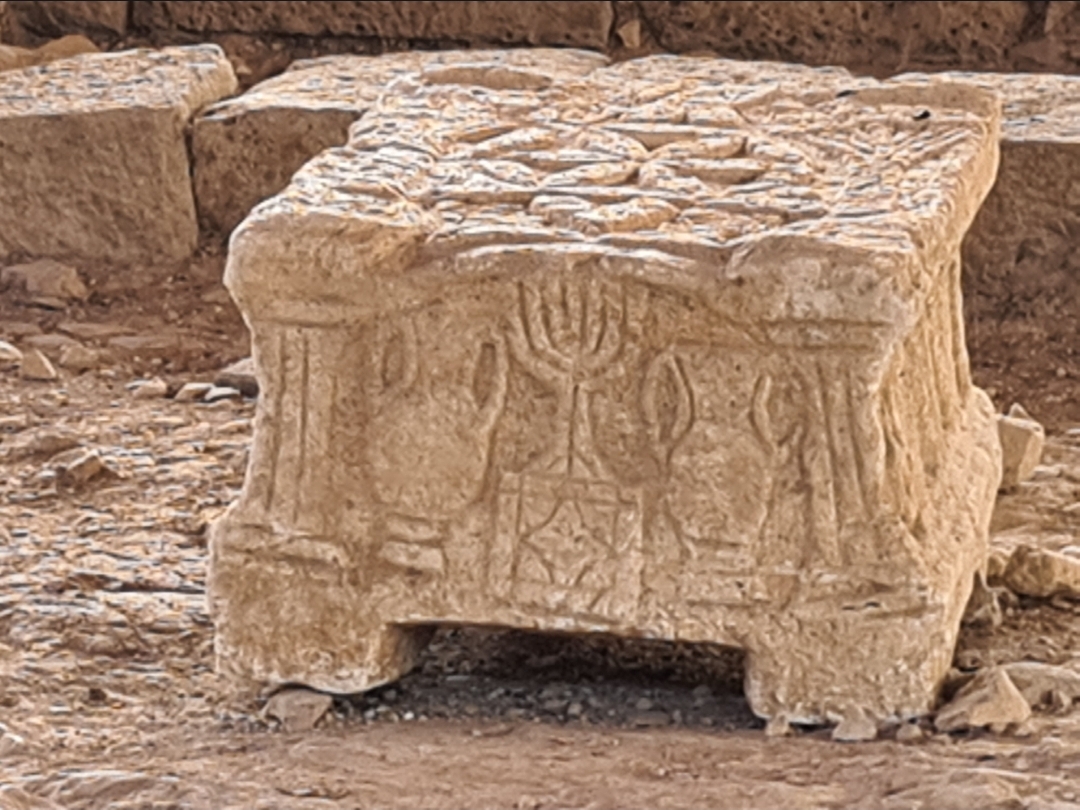
In 2009, during excavations for a retreat center, workers struck ancient stones just below the surface. Archaeologists uncovered a pristine 1st-century synagogue active during Jesus’s lifetime—one of the oldest ever discovered in Galilee. Inside sat the Magdala Stone, a carved limestone block featuring the earliest known depiction of the Second Temple’s Seven-Branched Menorah, crafted by someone who had seen the real Temple in Jerusalem firsthand. Because Jesus preached in synagogues throughout all Galilee, it is virtually certain that He stood and taught in this very hall.
Conclusion: Reading Scripture with Open Eyes
The Land of Israel is not merely a passive backdrop to biblical stories; it is an active witness that clarifies difficult passages, reveals hidden Hebrew wordplay, and confirms the historical truth of the Word. Whether standing in the intimate 1st-century synagogue of Magdala, looking across the basalt ruins of Capernaum, or reading the Psalms in Jerusalem, experiencing the “Fifth Gospel” anchors faith firmly in physical reality—where Scripture is no longer just read, but seen.
About the Author & Connect
Shai Shvalb is a licensed Israeli tour guide, historian, speaker, and the author of A Bridge to Your Roots – An Evangelical Journey Through the Land of Israel. Born and raised in Israel, he specializes in connecting believers to the biblical, historical, and cultural foundations of their faith through on-the-ground teaching and study resources.
Discover More Articles & Resources: https://israel-knowtheland.com/articles/
Get Your Copy of the Book: Available on Amazon


